AeroVironment has acquired Empirical Systems Aerospace, expanding its manufacturing capacity for electric propulsion, unmanned aircraft…
GE Aerospace and BETA Technologies Forge $300M Partnership to Propel Hybrid Electric Flight
GE Aerospace and Vermont-based BETA Technologies have announced a strategic partnership to co-develop hybrid electric propulsion systems for advanced air mobility (AAM), backed by a $300 million equity investment from GE Aerospace. The collaboration aims to accelerate the deployment of hybrid turbogenerators for both defense and civil aviation, combining GE’s turbine and certification expertise with BETA’s agile innovation in electric aircraft.
Hybrid Turbogenerators for VTOL and Beyond
At the core of the partnership is a hybrid electric turbogenerator designed to support long-range vertical takeoff and landing (VTOL) aircraft, future BETA platforms, and other AAM applications. The system will integrate GE’s proven CT7 and T700 engine architectures with BETA’s high-performance permanent magnet electric generators, offering significant gains in range, payload, and speed compared to conventional electric aircraft.
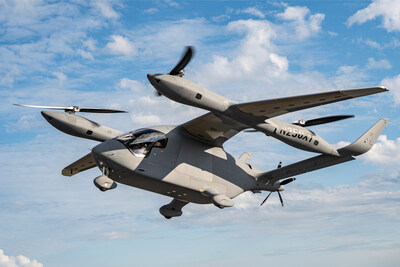
This hybrid approach leverages existing infrastructure while enabling new mission profiles, particularly in defense logistics, regional transport, and emergency response, sectors where endurance and operational flexibility are paramount.
Engineering a Step Change in Flight
GE Aerospace CEO H. Lawrence Culp, Jr. described the partnership as a way to “expand and accelerate hybrid electric technology development,” emphasizing the need for differentiated capabilities that optimize engine and aircraft performance. BETA CEO Kyle Clark echoed the sentiment, calling the collaboration a “real step change” in aviation and praising GE’s confidence in BETA’s iterative, engineering-driven approach1.
The announcement builds on GE Aerospace’s decade-long investment in hybrid propulsion, including its 2022 milestone of testing a megawatt-class system at simulated altitudes of 45,000 feet. BETA, meanwhile, has logged more electric flight hours than any other AAM developer, with its ALIA aircraft platform already demonstrating reliable performance across varied environmental conditions in the U.S. and Europe.
Implications for Aerospace Stakeholders
For aerospace professionals, especially those in innovation hubs like Colorado Springs, this partnership signals a maturing shift toward hybrid architectures that blend turbine reliability with electric efficiency. The hybrid turbogenerator could serve as a bridge technology, enabling longer missions, heavier payloads, and broader operational envelopes while maintaining compatibility with existing certification pathways.
As the AAM sector moves from concept to commercialization, collaborations like this one will shape the future of propulsion, infrastructure, and regulatory frameworks. GE’s investment and board-level involvement in BETA suggest a long-term commitment to redefining flight through scalable, hybrid-electric systems.

Related Posts