Vaughn College hosted its annual Gala on April 16, recognizing five leaders whose work continues…
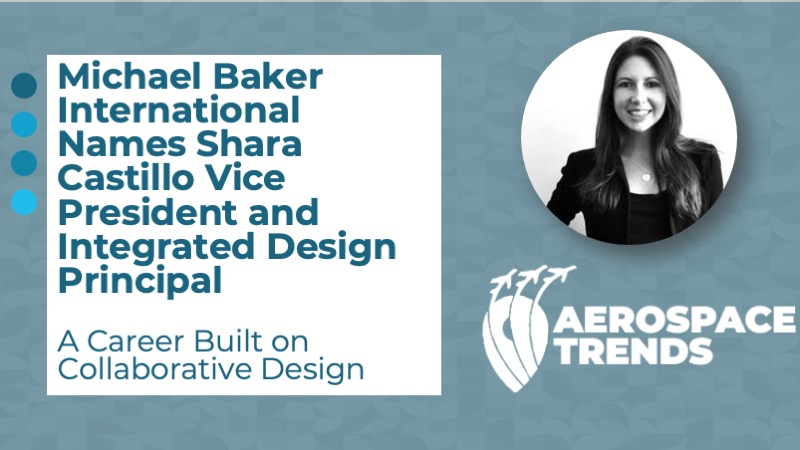
Michael Baker International Names Shara Castillo Vice President and Integrated Design Principal
Michael Baker International has appointed Shara Castillo RA, AIA to the newly created role of Vice President and Integrated Design and Advisory Architecture Design Principal. The promotion reflects the firm’s ongoing strategy to deepen its leadership bench and integrate multidisciplinary design approaches across infrastructure and built environment projects.
A Career Built on Collaborative Design
Castillo brings over 20 years of professional experience spanning architecture, strategic planning and urban design. Since joining Michael Baker International in 2017, she has led major civic and institutional commissions, including transportation hubs and municipal campus developments. Her track record highlights a talent for weaving community engagement into technical design solutions—a skill set increasingly valued as public sector clients seek both fiscal responsibility and social impact.
Industry observers point out that integrated design models are reshaping how engineering and architecture firms compete. By linking advisory services, sustainability analysis and traditional architectural practice under one leadership umbrella, firms can accelerate project timelines and reduce conflicts during construction. Castillo’s promotion signals that Michael Baker International intends to bolster this integrated approach at a time when global infrastructure demand continues to surge.
Aligning Expertise with Market Trends
The built environment sector has seen growing emphasis on resilience, digital design tools and lifecycle cost analysis. Castillo’s professional credentials—Registered Architect and member of the American Institute of Architects—coupled with her expertise in reality capture and digital twin workflows, align closely with these market drivers. As clients seek robust design scenarios capable of adapting to climate uncertainties and evolving regulatory requirements, leaders who can translate emerging technologies into practical solutions become indispensable.
Research from McKinsey & Company suggests that projects which adopt integrated project delivery methods can achieve cost savings of up to 15 percent and reduce schedules by as much as 20 percent. Michael Baker International’s decision to place architecture, advisory and technical services under Castillo’s remit reflects an industry-wide pivot toward such collaborative delivery models.
Challenges and Opportunities Ahead
Despite the promise of integrated design, implementation is not without obstacles. Cross-discipline coordination requires consistent data standards, specialized software interoperability and a cultural shift toward shared risk management. Michael Baker International has invested in integrated digital platforms and in-house training programs to address these challenges—efforts that Castillo will now oversee and expand.
Looking forward, infrastructure funding initiatives in North America and sustainable development mandates worldwide are set to drive multi-sector collaboration. Firms that can seamlessly blend architecture, engineering, planning and advisory roles will be better positioned to capture complex projects, from high-speed rail corridors to resilient urban districts. As Michael Baker International steps up its integration agenda, Castillo’s leadership will be closely watched by competitors and clients alike.
Strengthening Leadership for a Shifting Landscape
The appointment of Shara Castillo to vice president emerges at a critical juncture for the industry. With aging infrastructure, climate adaptation imperatives and rapid urbanization on the horizon, the ability to deliver holistic, data-driven design solutions is paramount. Castillo’s expanded portfolio underscores Michael Baker International’s commitment to pioneering integrated models—combining long-standing engineering capabilities with forward-looking architectural vision. As the firm continues to refine its multidisciplinary practice, this leadership move may serve as a bellwether for how mid-sized AEC firms evolve in the next decade.

Related Posts