
Palantir Technologies has formed a strategic partnership with Ondas and World View to develop an…
AFRL and Ursa Major Conduct Flight Demonstration of Draper Liquid Rocket Engine
The Air Force Research Laboratory and Ursa Major have completed a flight demonstration of the Draper liquid rocket engine, advancing a key propulsion technology aimed at supporting future rapid‑response missile and launch systems. The test powered AFRL’s Affordable Rapid Missile Demonstrator, which achieved supersonic speeds and validated several operational concepts relevant to next‑generation strike capabilities.
Demonstration Advances Technology Readiness for Liquid Propulsion
The recent flight marks a significant milestone in raising the technology readiness level of the Draper engine, a storable, throttleable liquid propulsion system designed for rapid deployment and cost‑effective production. The vehicle was staged and launched in late January, with the test serving as a proof point for the program’s accelerated development model.

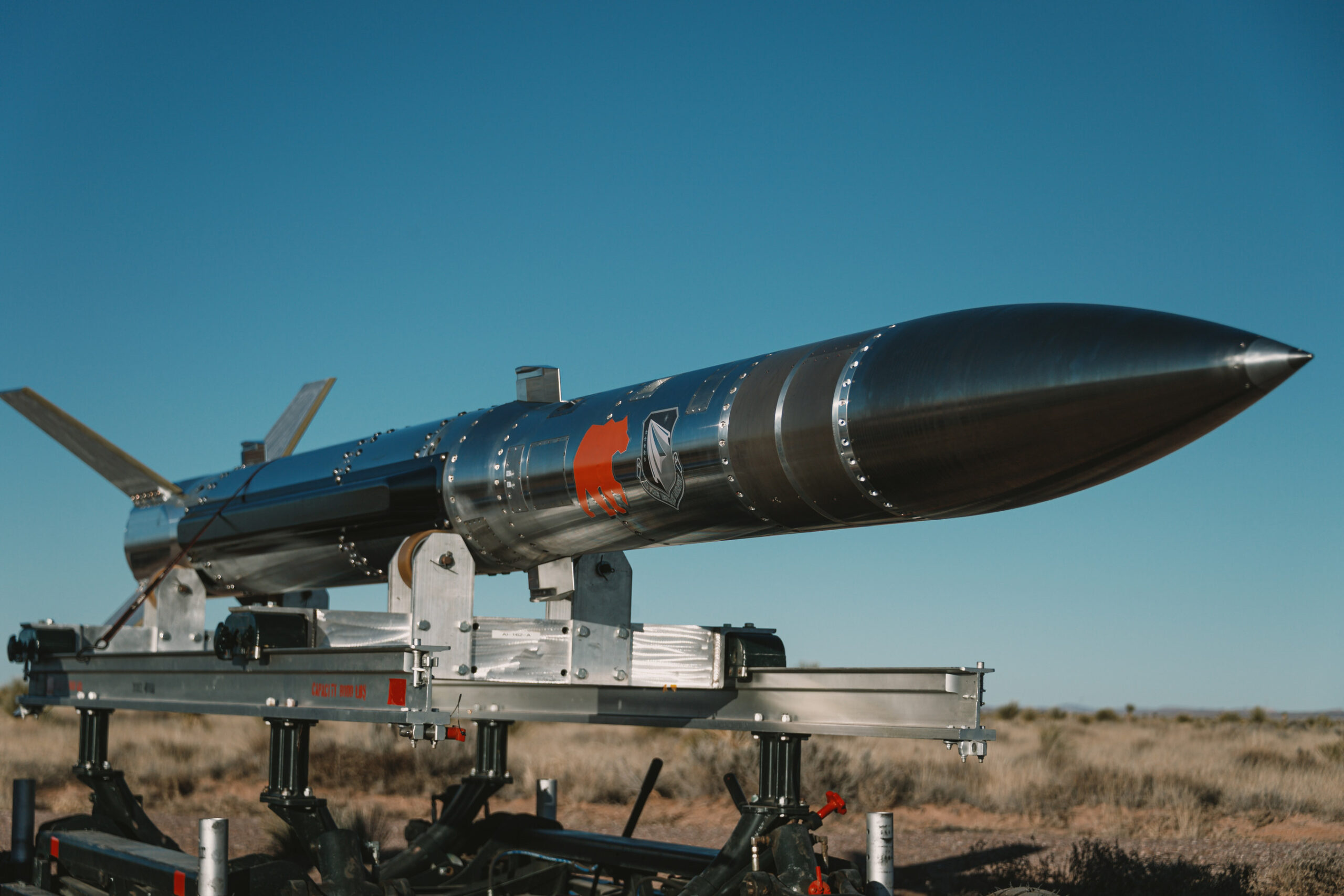
AFRL leadership emphasized that the demonstration reflects a broader shift toward acquisition approaches that prioritize speed, affordability, and scalable deterrence. The ARMD program is intended not only to validate a single missile configuration but also to establish a repeatable framework for producing responsive systems at scale.
Public‑Private Partnership Enables Rapid Development Cycle
Ursa Major highlighted the pace of the program, noting that the team moved from contract award to a flight‑ready vehicle and propulsion system in eight months. The Draper engine builds on several years of development stemming from the company’s Hadley engine program, combined with AFRL’s long‑standing investment in liquid propulsion research.
Both organizations described the effort as an example of how public‑private collaboration can accelerate the maturation of critical defense technologies, particularly in propulsion, where cost, reliability, and manufacturability are central to future missile and launch architectures.
Program Supports Future Rapid Strike and Deterrence Needs
AFRL’s Rocket Propulsion Division noted that ARMD represents an important step toward fielding affordable and scalable liquid rocket engines capable of supporting emerging mission requirements. The demonstration provides data that will inform continued characterization of the Draper engine under Ursa Major’s ongoing contract with AFRL.
The successful flight underscores the growing role of commercial propulsion developers in supporting national defense programs and highlights the increasing emphasis on rapid, iterative testing to advance next‑generation aerospace capabilities.

Related Posts