Vaughn College hosted its annual Gala on April 16, recognizing five leaders whose work continues…
Boeing Secures ~$2.7 B in Multiyear Contracts for PAC-3 Seeker Production
Boeing has been awarded approximately $2.7 billion in multi-year contracts to supply guidance seekers for the Patriot Advanced Capability-3 (PAC-3) interceptor missile program. This contract supports the continued production and delivery of critical seeker technology through 2030.
Contract Details and Production Outlook
Under the agreement, Boeing will manufacture more than 3,000 guidance seekers designed for the PAC-3 interceptor. Production ramp is expected to reach approximately 750 units per year. The contracts allow for adjustments in rate in coordination with the U.S. Army and the program prime contractor, reflecting evolving defense demands.
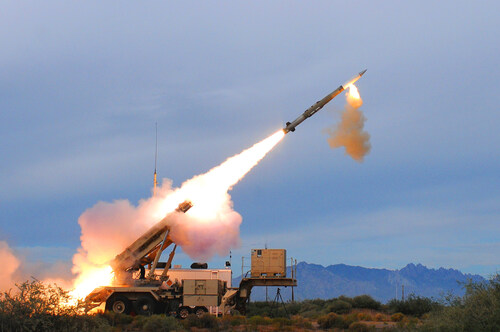
While Boeing is the prime supplier of the seeker component, program execution will remain closely coordinated with Lockheed Martin (the PAC-3 prime) and other stakeholders across the supply chain. The multi-year structure aims to sustain a steady production baseline over the latter half of the decade.
Strategic Importance for Air and Missile Defense
For the aerospace and defense sectors, this award signals continued and growing demand for advanced missile guidance systems in response to evolving threat environments. The PAC-3 remains a central component of many layered air defense architectures globally, and the seeker is a key enabling element for target detection, discrimination, and engagement.
The contract reinforces Boeing’s role in the missile systems value chain and highlights the importance of maintaining industrial capacity, supply chain robustness, and technology refresh capabilities in critical subsystems. It also offers potential opportunities for subcontractors involved in sensors, electronics, guidance algorithms, and system integration.
Implications and Forward Trajectory
With production commitments extending through 2030, Boeing is effectively committing to long-range planning for capability sustainment, supply chain alignment, and performance evolution of its seeker technology. The sustained contract period may also facilitate incremental upgrades, obsolescence management, and further investment in next-generation guidance systems.
As global demand for air and missile defense strengthens, Boeing’s expanded role in PAC-3 seeker production is likely to attract attention from government customers, system integrators, and defense technology partners seeking to align with resilient supply streams for high-demand subsystems.

Related Posts