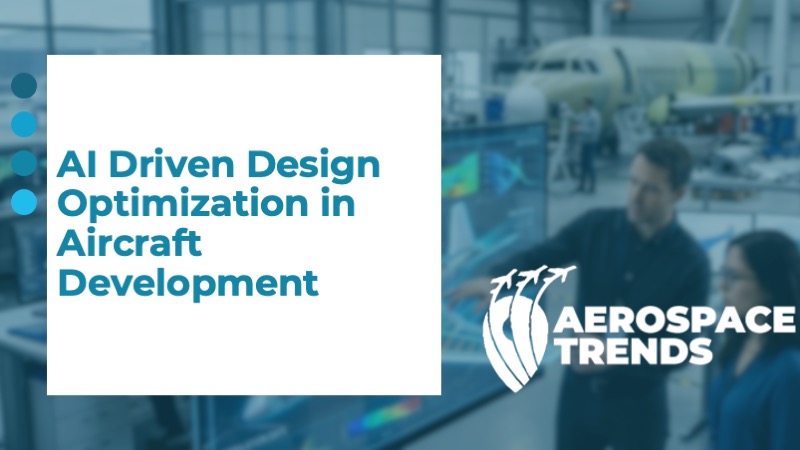
Artificial intelligence is reshaping the aerospace sector, but nowhere is the shift more strategically significant…

Resilience in Aerospace Supply Chains: Lessons from the Pandemic
The COVID-19 pandemic has been a transformative event for industries worldwide, but few have felt its impact as acutely as the aerospace sector. As air travel ground to a halt and production lines were disrupted, the vulnerabilities within aerospace supply chains were laid bare. This unprecedented crisis has prompted a reevaluation of supply chain strategies, leading to the implementation of innovative solutions aimed at building resilience for the future. In this blog post, we will analyze the key vulnerabilities exposed by the pandemic and explore the strategies that aerospace companies are adopting to fortify their supply chains against future disruptions.
The Vulnerabilities Exposed
1. Dependency on Global Supply Chains
One of the most significant vulnerabilities revealed by the pandemic was the heavy reliance on global supply chains. Aerospace manufacturers often source components from multiple countries, creating complex networks that can be easily disrupted. When borders closed and transportation routes were restricted, many companies faced severe delays in receiving critical parts, leading to production halts and financial losses.
2. Just-in-Time Manufacturing Challenges
The just-in-time (JIT) manufacturing model, which aims to minimize inventory costs by receiving goods only as they are needed, was put to the test during the pandemic. While this approach can enhance efficiency, it also leaves companies vulnerable to supply chain disruptions. With suppliers unable to deliver components on time, many aerospace manufacturers found themselves unable to meet production schedules.
3. Limited Visibility and Transparency
The pandemic highlighted the lack of visibility and transparency in many aerospace supply chains. Companies often struggled to track the status of shipments and inventory levels, making it difficult to respond effectively to disruptions. This lack of information hindered decision-making and exacerbated the challenges faced during the crisis.
4. Supplier Financial Instability
As the pandemic took its toll on the global economy, many suppliers faced financial difficulties, leading to bankruptcies and closures. Aerospace manufacturers that relied heavily on these suppliers found themselves scrambling to find alternatives, further complicating their supply chain management.
Strategies for Building Resilience
In response to these vulnerabilities, aerospace companies are implementing a range of strategies to enhance the resilience of their supply chains. Here are some of the key approaches being adopted:
1. Diversification of Suppliers
To mitigate the risks associated with dependency on a single supplier or region, many aerospace manufacturers are diversifying their supplier base. By sourcing components from multiple suppliers across different geographic locations, companies can reduce the impact of disruptions in any one area. This strategy not only enhances resilience but also fosters competition among suppliers, potentially leading to better pricing and quality.
2. Investment in Technology and Data Analytics
The pandemic has accelerated the adoption of technology in supply chain management. Aerospace companies are increasingly investing in advanced data analytics, artificial intelligence (AI), and machine learning to gain real-time visibility into their supply chains. These technologies enable companies to monitor inventory levels, track shipments, and predict potential disruptions, allowing for more informed decision-making and proactive risk management.
3. Reevaluating Inventory Strategies
In light of the challenges posed by JIT manufacturing, many aerospace companies are reevaluating their inventory strategies. While maintaining lean inventories is still important, companies are recognizing the value of having safety stock for critical components. By holding a buffer of essential parts, manufacturers can better withstand supply chain disruptions and maintain production continuity.
4. Strengthening Supplier Relationships
Building strong relationships with suppliers has become a priority for aerospace manufacturers. By fostering collaboration and open communication, companies can gain insights into their suppliers’ capabilities and challenges. This partnership approach not only enhances trust but also enables manufacturers to work together to develop contingency plans and address potential issues before they escalate.
5. Scenario Planning and Risk Assessment
Aerospace companies are increasingly engaging in scenario planning and risk assessment exercises to prepare for future disruptions. By analyzing various potential scenarios—such as natural disasters, geopolitical tensions, or pandemics—companies can develop strategies to mitigate risks and respond effectively. This proactive approach allows organizations to be better prepared for unforeseen challenges.
6. Sustainability and Local Sourcing Initiatives
The pandemic has also prompted a renewed focus on sustainability within aerospace supply chains. Companies are exploring local sourcing options to reduce their reliance on global supply chains and minimize transportation-related emissions. By supporting local suppliers, aerospace manufacturers can enhance their resilience while contributing to the economic recovery of their communities.
Continuing Response
The COVID-19 pandemic has served as a wake-up call for the aerospace industry, exposing vulnerabilities in supply chains that were previously overlooked. However, it has also provided an opportunity for companies to rethink their strategies and build resilience for the future. By diversifying suppliers, investing in technology, reevaluating inventory strategies, strengthening supplier relationships, engaging in scenario planning, and prioritizing sustainability, aerospace manufacturers can better prepare for the uncertainties that lie ahead.
As the industry continues to recover from the pandemic, the lessons learned will shape the future of aerospace supply chains. Resilience will no longer be an afterthought;

Related Posts