Artificial intelligence is reshaping the aerospace sector, but nowhere is the shift more strategically significant…
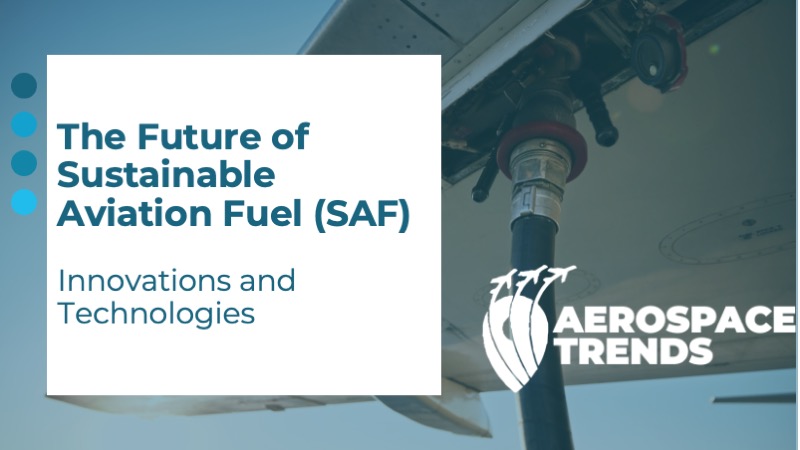
The Future of Sustainable Aviation Fuel (SAF)
As the aviation industry grapples with the pressing need to reduce its carbon footprint, Sustainable Aviation Fuel (SAF) has emerged as a beacon of hope. With the potential to significantly lower greenhouse gas emissions, SAF represents a critical component in the quest for a more sustainable future in air travel. This blog post will explore the development, production, and adoption of SAF, highlighting its role in transforming the aviation sector and addressing climate change.
Understanding Sustainable Aviation Fuel (SAF)
Sustainable Aviation Fuel is a biofuel specifically designed for use in aircraft engines. Unlike traditional fossil fuels, SAF is produced from renewable resources, such as plant materials, waste oils, and agricultural residues. The key advantage of SAF is its ability to reduce lifecycle carbon emissions by up to 80% compared to conventional jet fuel, depending on the feedstock and production process used.
SAF can be blended with conventional jet fuel and used in existing aircraft engines without requiring modifications, making it a practical solution for airlines looking to reduce their environmental impact in the short term.
Development of SAF: Innovations and Technologies
The journey toward widespread SAF adoption has been marked by significant advancements in technology and innovation. Several pathways for SAF production have been developed, including:
- Fischer-Tropsch Synthesis: This process converts biomass into synthetic fuels through gasification and subsequent chemical reactions. It has been successfully demonstrated by companies like Sasol and LanzaTech.
- Hydroprocessed Esters and Fatty Acids (HEFA): This method involves processing fats, oils, and greases to produce jet fuel. HEFA is currently the most commercially viable SAF production pathway and has been adopted by several airlines.
- Alcohol-to-Jet (ATJ): This technology converts alcohols, such as ethanol or butanol, into jet fuel through a series of chemical reactions. Companies like Gevo and Velocys are leading the charge in this area.
- Direct Air Capture (DAC): Emerging technologies are exploring the potential of capturing carbon dioxide directly from the atmosphere and converting it into fuel. While still in the experimental stage, DAC could revolutionize the way we think about fuel production.
Production Challenges and Opportunities
Despite the promising potential of SAF, several challenges must be addressed to scale up production and make it a mainstream solution for the aviation industry:
- Cost Competitiveness: Currently, SAF is significantly more expensive to produce than conventional jet fuel. The high production costs are primarily due to the limited availability of feedstocks and the relatively small scale of current production facilities. To achieve cost parity, investments in technology and infrastructure are essential.
- Feedstock Availability: The availability of sustainable feedstocks is a critical factor in SAF production. As demand for SAF increases, competition for feedstocks with other industries, such as biofuels for ground transportation, may arise. Developing a diverse range of feedstocks, including waste materials and non-food crops, will be crucial for ensuring a stable supply.
- Regulatory Support and Incentives: Government policies and incentives play a vital role in promoting SAF adoption. Supportive regulations, such as tax credits and grants for SAF production facilities, can help stimulate investment and drive down costs.
- Infrastructure Development: The existing aviation fuel infrastructure is primarily designed for conventional jet fuel. Upgrading refineries and distribution networks to accommodate SAF will require significant investment and collaboration among stakeholders.
Adoption of SAF: Industry Initiatives and Collaborations
The aviation industry is increasingly recognizing the importance of SAF in achieving its sustainability goals. Several initiatives and collaborations have emerged to promote the development and adoption of SAF:
- Airline Commitments: Major airlines, including United Airlines, Delta Air Lines, and British Airways, have made commitments to incorporate SAF into their fuel supply chains. These commitments often include purchasing agreements with SAF producers to ensure a steady supply.
- Partnerships and Alliances: Industry stakeholders are forming partnerships to accelerate SAF development. For example, the Sustainable Aviation Fuel Users Group (SAFUG) brings together airlines, manufacturers, and fuel producers to collaborate on SAF initiatives.
- Research and Development: Governments and private organizations are investing in research and development to advance SAF technologies. Initiatives like the U.S. Department of Energy’s Bioenergy Technologies Office are focused on improving production processes and reducing costs.
- Demonstration Projects: Several demonstration projects are underway to showcase the viability of SAF in commercial aviation. For instance, in 2021, a flight operated by KLM Royal Dutch Airlines used a blend of SAF and conventional jet fuel, marking a significant milestone in the industry’s journey toward sustainability.
The Road Ahead: A Sustainable Future for Aviation
The future of Sustainable Aviation Fuel is promising, but it requires a concerted effort from all stakeholders in the aviation ecosystem. As the industry continues to innovate and invest in SAF production, the potential to significantly reduce carbon emissions and combat climate change becomes increasingly attainable.

Related Posts