Andromeda Ventures and the University of Central Florida Business Incubation Program have launched a strategic…

AFRL and Ursa Major Accelerate Flight Cadence With Follow On Draper Engine Test
The Air Force Research Laboratory and Ursa Major have completed a follow on flight of the Draper liquid rocket engine, marking the second successful demonstration in the Affordable Rapid Missile Demonstrator program. The test advances the engine’s technology readiness level and reinforces AFRL’s push for rapid, cost effective propulsion development.
Demonstrating Repeatable, Rapid Flight Test Capability
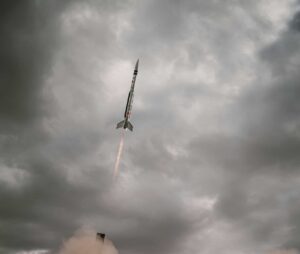
The latest flight occurred less than three months after the first Draper engine demonstration, underscoring the program’s emphasis on rapid iteration and accelerated test cadence. AFRL leadership highlighted the milestone as evidence that new acquisition models can deliver flight ready hardware at a pace aligned with emerging operational needs.
The Draper engine is designed as a storable, throttleable liquid propulsion system that supports fast deployment and simplified logistics. Its architecture builds on Ursa Major’s experience developing the Hadley engine and leverages shared components and manufacturing processes.
Advancing a New Class of Affordable Missile Propulsion
The Affordable Rapid Missile Demonstrator program aims to create a pathway for low cost, mass producible missile systems that can be fielded quickly and updated frequently. The Draper engine is central to this approach, providing a liquid propulsion option that balances performance, manufacturability, and responsiveness.
Ursa Major noted that the company moved from contract award to flight ready hardware in eight months for the initial demonstration. The follow on flight further validates the engine’s performance envelope and its suitability for rapid production.
Strengthening Public Private Collaboration in Propulsion Development
AFRL emphasized that the program demonstrates the value of close collaboration between government and commercial propulsion developers. Ursa Major’s modular manufacturing approach and commercial supply chain enable faster iteration cycles compared with traditional development timelines.
The Draper engine’s flight heritage supports AFRL’s broader effort to diversify the industrial base and expand access to modern propulsion technologies for future missile systems.
Building Momentum for Future Rapid Strike Capabilities
The successful follow on flight positions the Draper engine for additional testing and integration opportunities as the Department of Defense explores new concepts for rapid global strike, distributed fires, and cost effective deterrence. For aerospace and defense readers, the milestone reflects a growing shift toward propulsion systems that can be produced, tested, and fielded at commercial speed.

Related Posts