New Validation Capability Targets Commercial and Defense Timing Applications The Colorado Quantum Incubator in Boulder…
Joby Aviation Marks Milestone With First Flight of Turbine-Electric VTOL Demonstrator
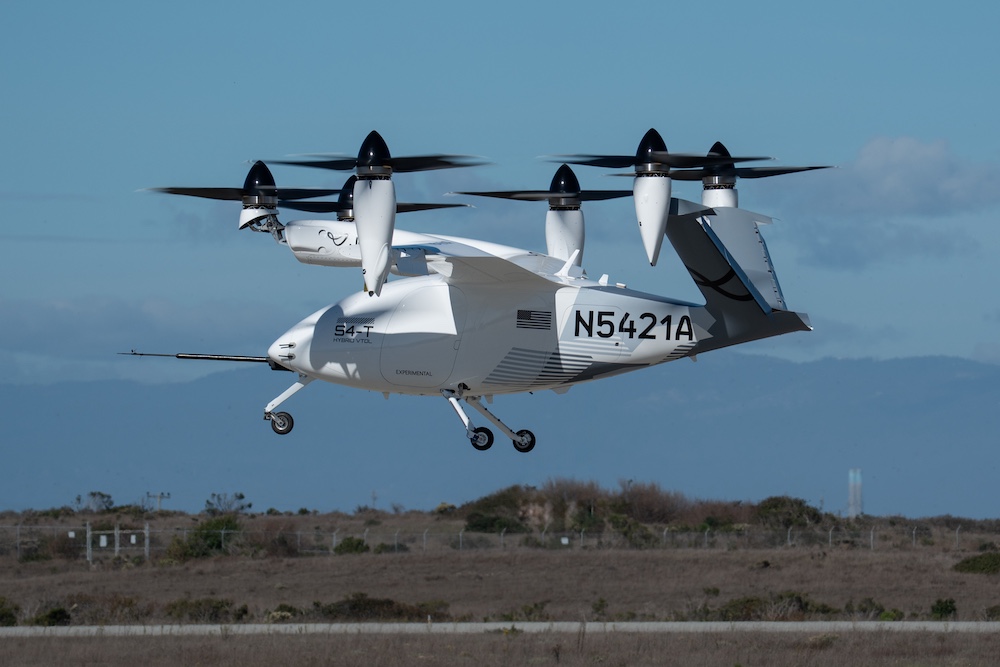
Joby Aviation, Inc. has successfully completed the first flight of its turbine-electric, autonomous vertical take-off and landing (VTOL) demonstrator aircraft at its facility in Marina, California. The flight comes only three months after the company announced the hybrid concept and partnership with L3Harris Technologies, underscoring a rapid pace of development and a potential shift in aerospace propulsion approaches.
Hybrid Propulsion Platform Targets Expanded Aerospace Missions
The demonstrator builds upon Joby’s existing fully-electric air taxi platform by integrating a turbine-electric hybrid powertrain alongside its autonomy software stack. The company describes key attributes of the hybrid architecture as extended range and payload capacity, agile vertical manoeuvring, and autonomous-capable systems for dual-use aerospace applications—including commercial air taxi service and defence logistics or “loyal wingman” operations.
Strategic Industry Partnership And Dual-Use Focus
The accelerated timeframe—from concept announcement to first flight—was enabled by Joby’s vertical integration model and the collaboration with L3Harris, whose experience in missionizing platforms for sensors, communications and collaborative autonomy supports aerospace and defence system demands. Together, the partners plan to move toward government mission demonstrations in 2026. This relationship highlights the growing convergence of urban air mobility (UAM) technologies and aerospace defence requirements.
Implications For The Aerospace Sector
For aerospace industry stakeholders, Joby’s flight represents more than a commercial air taxi milestone—it speaks to the broader trend of hybrid propulsion and autonomous architectures being applied to mission-critical aerospace roles. The hybrid VTOL approach offers flexibility in operations where runway infrastructure is limited or contested, and it aligns with growing defence acquisition priorities for resilient, autonomous, hybrid aircraft. As regulatory regimes evolve to integrate eVTOL and hybrid systems into airspace, this demonstration may advance operational feasibility for both civilian and military applications.
Next Steps And Testing Pathway
Flight testing will continue at the Marina facility with ground and airborne phases planned ahead of operational demonstrations with government customers in 2026. The demonstrator leverages an all-electric technology baseline—Joby indicates more than 50,000 miles of flight testing to date and ongoing progression through the Federal Aviation Administration certification process for its commercial aircraft platform.
Joby Aviation’s first flight of its turbine-electric demonstrator marks a noteworthy development for the aerospace community. The hybrid VTOL architecture, combined with autonomy and vertical take-off capability, offers a compelling proposition for both urban air mobility and missionised defence operations. The partnership with L3Harris and the pace of technical rollout underscore the increasing convergence of advanced propulsion, autonomy and aerospace systems integration.

Related Posts