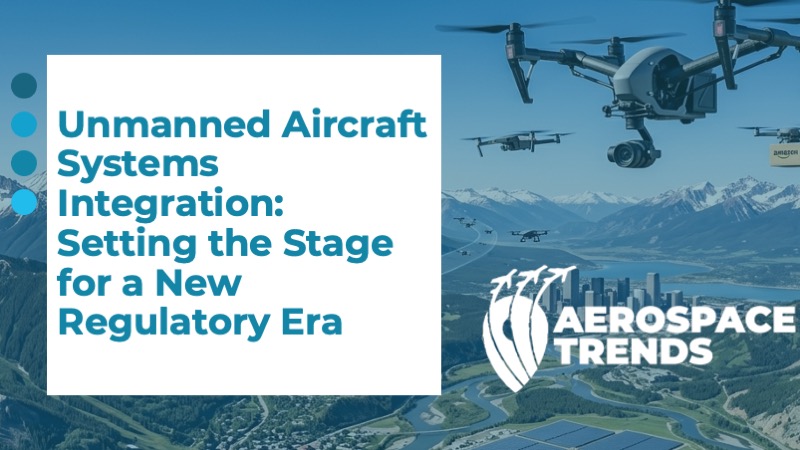
A Conversation with Jonathan Martin on the Future of Airspace As unmanned aircraft systems move…

Urban Air Mobility (UAM) and Smart Cities: Integrating Aerial Transportation into Urban Infrastructure
Urban Air Mobility (UAM) stands out as a transformative force poised to redefine transportation in densely populated areas. The integration of advanced air mobility systems into urban infrastructure presents both exciting opportunities and significant challenges. As we explore the intersection of UAM and smart cities, it becomes clear that the future of urban transportation is not just about flying vehicles; it’s about creating a holistic ecosystem that enhances the quality of life for urban residents.
Understanding Urban Air Mobility
Urban Air Mobility refers to the use of air transportation systems to move people and goods within urban environments. This concept encompasses a range of technologies, including electric vertical takeoff and landing (eVTOL) aircraft, drones, and other aerial vehicles designed for short-distance travel. UAM aims to alleviate ground congestion, reduce travel times, and provide a new dimension of mobility that complements existing transportation networks.
As cities continue to grow, the challenges of urban congestion, pollution, and inadequate infrastructure become increasingly pressing. UAM offers a potential solution by utilizing the three-dimensional space above our cities, allowing for more efficient movement and reducing the strain on traditional transportation systems.
The Smart City Framework
Smart cities leverage technology and data to improve the quality of life for their residents, enhance sustainability, and optimize urban services. The integration of UAM into smart city frameworks can create a synergistic relationship that benefits both aerial transportation and urban infrastructure. Key components of this integration include:
- Data-Driven Decision Making: Smart cities rely on data analytics to inform urban planning and transportation management. By incorporating UAM data, city planners can optimize air traffic routes, manage vertiports, and ensure efficient use of airspace.
- Seamless Mobility Solutions: UAM can be integrated with existing public transportation systems, creating a multimodal transportation network. This integration allows residents to transition smoothly between ground and air transport, enhancing overall mobility.
- Sustainability Initiatives: UAM has the potential to reduce greenhouse gas emissions and improve air quality in urban areas. By utilizing electric propulsion and sustainable aviation fuels, UAM can contribute to the sustainability goals of smart cities.
Opportunities for Integration
The integration of UAM into urban infrastructure presents numerous opportunities:
1. Reducing Traffic Congestion
One of the most significant benefits of UAM is its potential to alleviate ground traffic congestion. By providing an alternative mode of transportation, UAM can reduce the number of vehicles on the road, leading to shorter travel times and decreased emissions.
2. Enhancing Emergency Response
UAM can play a crucial role in emergency response scenarios. Aerial vehicles can quickly transport medical supplies, personnel, or patients to and from locations that may be difficult to access by ground. This capability can significantly improve response times during emergencies.
3. Boosting Economic Development
The introduction of UAM can stimulate economic growth by creating new jobs in manufacturing, operations, and maintenance of aerial vehicles. Additionally, UAM can enhance access to businesses and services, driving economic activity in urban areas.
4. Promoting Tourism
UAM can offer unique aerial experiences for tourists, providing scenic views of cities from above. This can enhance the tourism sector and contribute to the local economy.
Challenges to Implementation
While the opportunities are promising, several challenges must be addressed to successfully integrate UAM into urban environments:
1. Regulatory Hurdles
The regulatory landscape for UAM is still evolving. Governments must establish clear guidelines for airspace management, safety standards, and operational protocols. Collaboration between regulatory bodies, industry stakeholders, and urban planners is essential to create a cohesive framework.
2. Infrastructure Development
The successful implementation of UAM requires significant investment in infrastructure, including vertiports, charging stations, and air traffic management systems. Cities must plan for these developments while considering land use, zoning regulations, and community impact.
3. Public Acceptance
Public perception of UAM is critical to its success. Concerns about safety, noise pollution, and privacy must be addressed through transparent communication and community engagement. Building trust with residents will be essential for widespread adoption.
4. Technological Challenges
The development of reliable and safe eVTOL aircraft is still in progress. Ensuring that these vehicles can operate safely in urban environments, including managing takeoff and landing in confined spaces, is a significant technical challenge.
The Path Forward
The integration of UAM into smart cities represents a shift in urban transportation. Collaboration among government agencies, private companies, and communities will be essential to navigate the complexities of this transition. By leveraging technology, data, and innovative thinking, we can create a transportation ecosystem that enhances mobility, reduces congestion, and improves the quality of life for urban residents.

Related Posts