New Validation Capability Targets Commercial and Defense Timing Applications The Colorado Quantum Incubator in Boulder…
Natilus Introduces Enhanced HORIZON EVO Passenger Aircraft as Program Advances Toward Certification
Natilus has unveiled a series of design enhancements to its HORIZON EVO blended wing body passenger aircraft as the program moves toward FAA certification and future integration into commercial fleets. The updates reflect detailed feedback from regulators and global carrier customers and are intended to strengthen certifiability, improve operational practicality, and elevate the passenger experience. The aircraft is expected to enter commercial service in the early 2030s.
Dual Deck Configuration Improves Safety, Capacity, and Operational Efficiency
A key evolution in the HORIZON EVO design is the transition from a single deck to a dual deck configuration. The upper deck will serve as the primary passenger cabin, while the lower deck will accommodate standard cargo containers. Natilus noted that the configuration supports improved egress pathways, enhanced pressurization for passenger comfort, and more efficient use of internal volume.

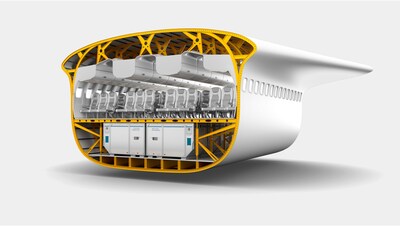
The dual deck layout also increases overhead storage capacity and allows for additional windows throughout the cabin, addressing a common carrier request and offering a more conventional passenger experience within a blended wing body architecture.
Design Maintains Compatibility With Existing Airport Infrastructure
Natilus emphasized that the HORIZON EVO remains fully interoperable with current airport ground systems. The aircraft is designed to support standard air freight containers in the lower deck and includes multiple aisles in both premium and economy cabins to reduce boarding and deplaning times. These features aim to streamline turnaround operations and minimize infrastructure modifications for carriers.
Key Specifications Highlight Aircraft’s Mission Profile
The HORIZON EVO is designed to cruise above Mach 0.78 at 35,000 feet and will operate on Jet A or sustainable aviation fuel. The aircraft will be powered by PW1500F geared turbofans or CFM LEAP engines and features an all glass fly by wire flight deck. With a wingspan of 118 feet and a length of 110 feet, the aircraft fits within the C4 gate class.
Passenger capacity ranges from 150 seats in a three class configuration to 250 seats in a single class layout. The cabin measures 7 feet in height and 26 feet in width. Cargo capacity includes 16 AAA containers on the upper deck and 12 LD3 45 containers on the lower deck.
Industry Leaders Highlight Need for New Aircraft Solutions
Dennis Muilenburg, CEO of New Vista Capital and former Boeing Chairman and CEO, noted that global demand for new aircraft is expected to exceed 40,000 deliveries over the next two decades. He stated that the HORIZON EVO represents a transformative design that addresses economic, operational, and environmental pressures facing commercial aviation.
About Natilus
Natilus is a U.S. based aerospace manufacturer developing a family of blended wing body aircraft for passenger and cargo operations. The company reports more than 570 aircraft pre orders valued at 24 billion dollars. Natilus aims to deliver improved aviation economics through reduced fuel consumption, lower operating costs, and increased payload capacity. The company was founded in 2016 and includes team members with experience from General Atomics, Northrop Grumman, Skunk Works, SpaceX, and Piper Aircraft.

Related Posts